Everyday Habits That May Help Prevent Recurring Neck Stiffness

Neck stiffness can make everyday activities like working at a computer, driving, reading, or even getting out of bed uncomfortable. While occasional stiffness can happen after sleeping in an awkward position or spending too much time in one posture, recurring discomfort may indicate that your daily habits need attention.
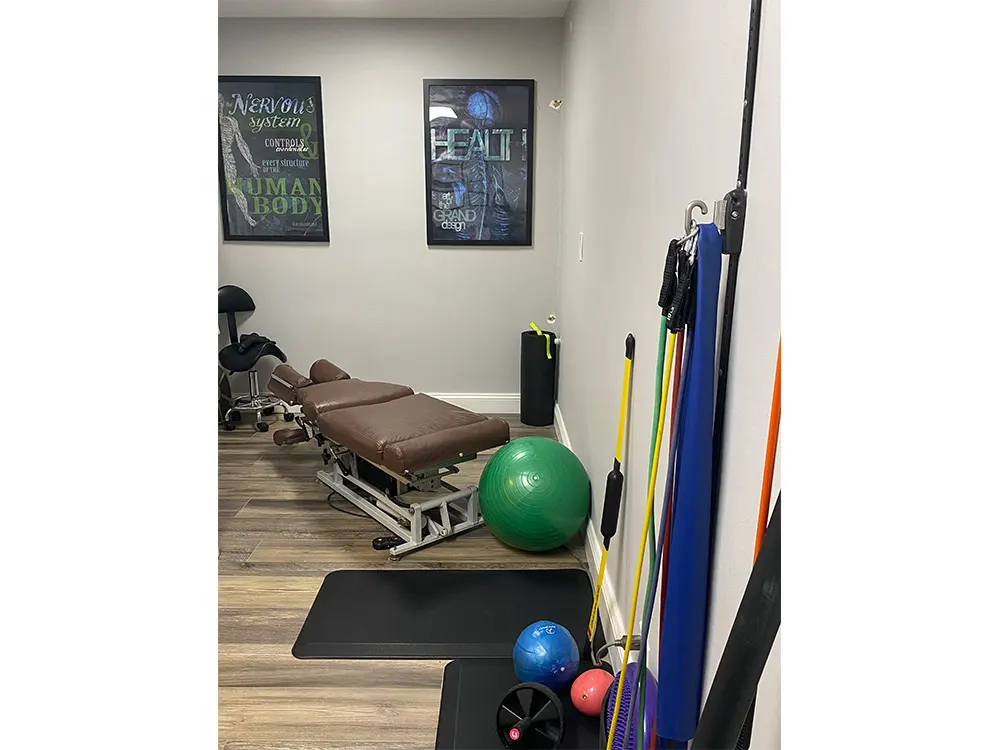
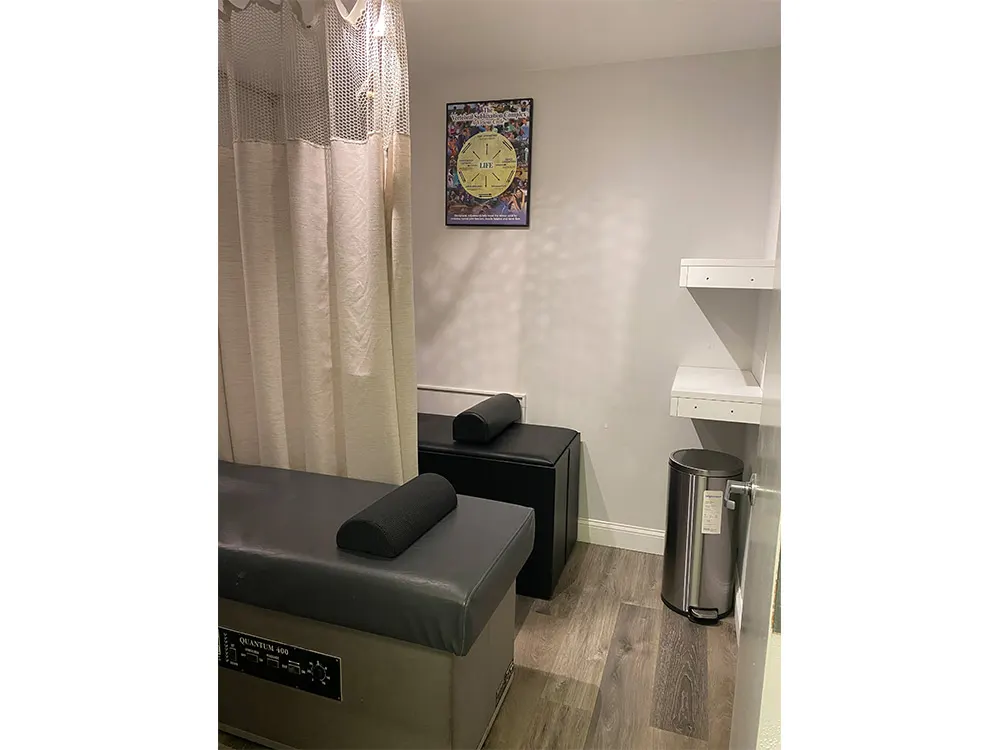
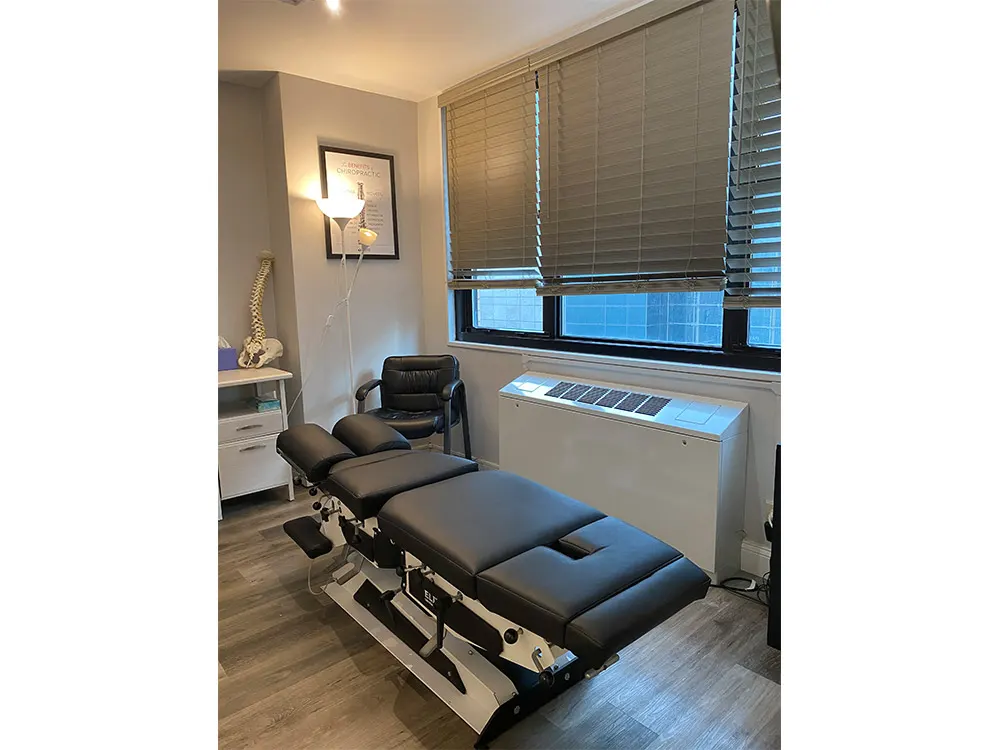
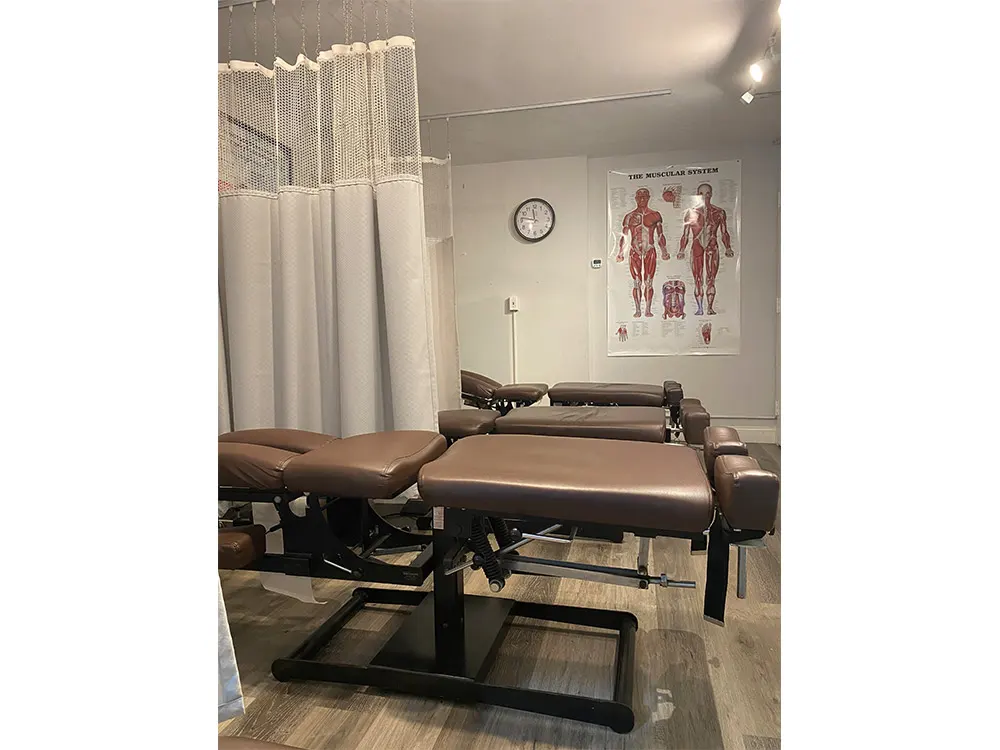
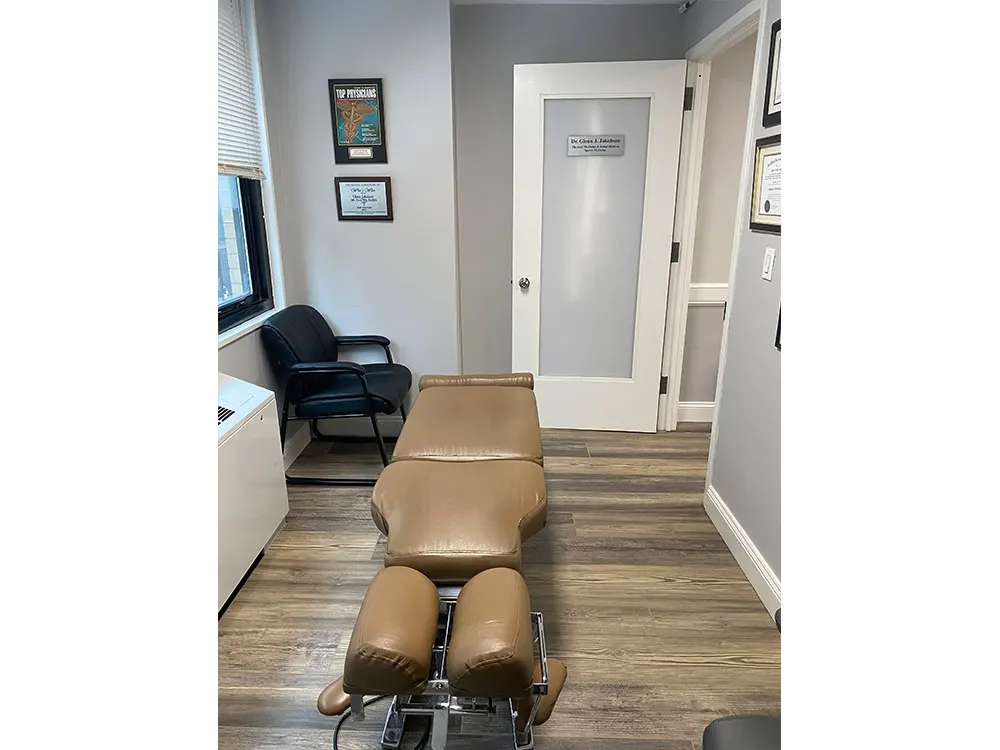
At West Side Comprehensive Chiropractic Center, patients can learn about practical ways to support neck mobility, improve posture, and manage recurring neck discomfort. Small, consistent changes to your routine may help reduce unnecessary strain on your neck.
1. Take Regular Breaks From Sitting
Spending long periods sitting at a desk or looking down at a device can place additional demands on the muscles and joints of your neck. Remaining in one position for too long may contribute to stiffness and discomfort.
Try changing positions regularly throughout the day. Stand up, take a short walk, or gently move your shoulders and neck between tasks. If you work at a computer, consider setting reminders to take brief movement breaks.
2. Adjust Your Workspace
Your workstation setup can influence how much strain your neck experiences during the day. A monitor positioned too low, a chair without adequate support, or frequently turning your head to view a screen may contribute to discomfort.
To create a more comfortable workspace:
- Position your monitor near eye level.
- Keep your shoulders relaxed while typing.
- Place frequently used items within easy reach.
- Choose a chair that supports a comfortable, upright sitting position.
The goal is not to maintain one rigid posture all day but to find a comfortable setup that allows you to move naturally.
3. Pay Attention to Phone and Tablet Use
Looking down at a phone for extended periods can encourage sustained neck flexion. Over time, this position may contribute to muscle fatigue and stiffness, particularly when combined with other prolonged sitting habits.
Whenever practical, raise your device closer to eye level and support your arms to avoid unnecessary tension. Alternate between sitting and standing when possible, and take breaks from screen use.
4. Use a Comfortable Sleeping Position
Your sleeping position and pillow can affect how your neck feels in the morning. A pillow that is too high or too low may leave your neck in an uncomfortable position for several hours.
Choose a pillow that helps keep your head and neck comfortably aligned with the rest of your body. Side and back sleeping positions work well for many people, although individual comfort and needs vary. If you regularly wake up with neck stiffness, consider whether your pillow or sleeping setup may be contributing.
5. Keep Your Neck and Upper Back Moving
Gentle movement can help maintain mobility and reduce the effects of prolonged inactivity. Depending on your comfort level, simple neck rotations within a comfortable range, shoulder rolls, and gentle upper-back movements may be useful additions to your day.
Avoid forcing a stretch or pushing through sharp pain. If a movement repeatedly worsens your symptoms, stop and seek guidance from a qualified healthcare professional. Regular physical activity and exercises suited to your abilities can also support overall musculoskeletal health.
6. Manage Daily Stress and Muscle Tension
Stress can contribute to muscle tension, including around the neck and shoulders. You may notice that you raise your shoulders, clench your jaw, or tighten your neck muscles during demanding tasks.
Brief relaxation breaks, slow breathing, regular physical activity, and adequate rest may help you become more aware of these habits. Check in with your shoulders throughout the day and allow them to relax when you notice unnecessary tension.
7. Know When to Seek Professional Help
Recurring neck stiffness does not always have the same cause. Muscle strain, joint irritation, prolonged positioning, and other conditions can produce similar symptoms. If stiffness keeps returning despite changes to your routine, a professional evaluation can help identify possible contributing factors.
At West Side Comprehensive Chiropractic Center, patients can discuss their symptoms, daily activities, and movement concerns to determine whether chiropractic care may be appropriate for their situation. Care recommendations should be based on an individual assessment, medical history, and relevant clinical findings.
Seek prompt medical attention if neck stiffness follows a significant injury or occurs with symptoms such as fever, a severe headache, new weakness, numbness, or difficulty walking.
Support Better Neck Comfort With Consistent Habits
Preventing recurring neck stiffness often starts with small adjustments: taking movement breaks, improving your workstation, using a comfortable pillow, and staying active. Although these habits cannot prevent every cause of neck pain, they may help reduce everyday strain and support comfortable movement.
If neck stiffness continues to interfere with work, sleep, or daily activities, West Side Comprehensive Chiropractic Center can help you explore your concerns and discuss appropriate care options. Addressing recurring symptoms early may help you better understand what your neck needs to stay comfortable and mobile.