Degenerative Disc Disease and Sciatica: Is There a Connection?

Back discomfort that travels into the hip or leg can sometimes involve more than one underlying issue. Degenerative disc disease and sciatica may be related in certain cases, although degenerative changes in the spine do not always cause symptoms. Understanding the potential connection can help you know when it may be time to have persistent symptoms evaluated.
Understanding Degenerative Disc Disease
The discs between the vertebrae act as cushions that help absorb stress and allow the spine to move. As people age, these discs can gradually experience changes such as reduced flexibility or loss of height.
These changes are commonly referred to as degenerative disc disease. Importantly, disc degeneration can appear on imaging even when a person has little or no pain.
What Does Sciatica Feel Like?
Sciatica isn't a specific disease but rather a group of symptoms associated with irritation of the sciatic nerve or one of the nerves that contributes to it.Symptoms can extend from the lower back or buttocks into the leg and may include:
- Aching or sharp discomfort
- Tingling sensations
- Numbness
- Muscle weakness
The location and severity of symptoms can vary from person to person.
Can Disc Changes Contribute to Sciatica?
Sometimes, yes. Changes in the discs may alter the amount of space available around nearby spinal nerves. If a nerve becomes irritated or compressed, symptoms along the sciatic nerve pathway may occur.
However, sciatica has several possible causes, and not every case is related to degenerative disc disease. A professional evaluation can help identify factors that may be contributing to your symptoms.
When Should Back or Leg Symptoms Be Checked?
Occasional discomfort may improve with appropriate self-care, but symptoms that persist, worsen, or interfere with normal activities should be evaluated.
If you experience ongoing back pain accompanied by leg symptoms such as numbness, tingling, or weakness, discussing your concerns with a qualified healthcare provider can help determine appropriate next steps.
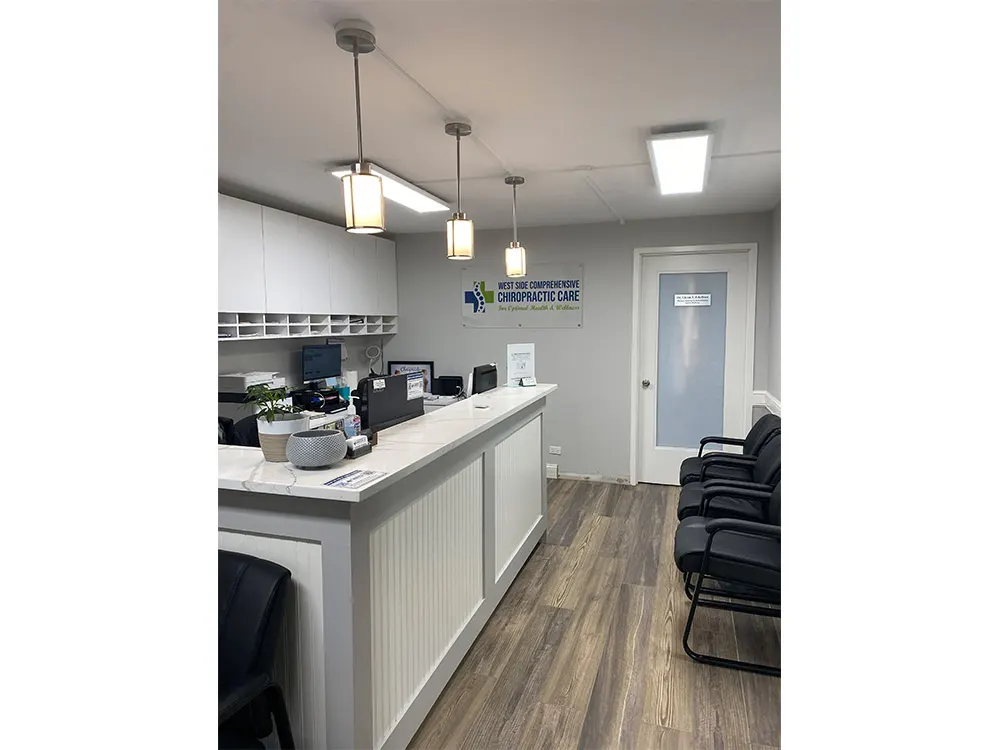
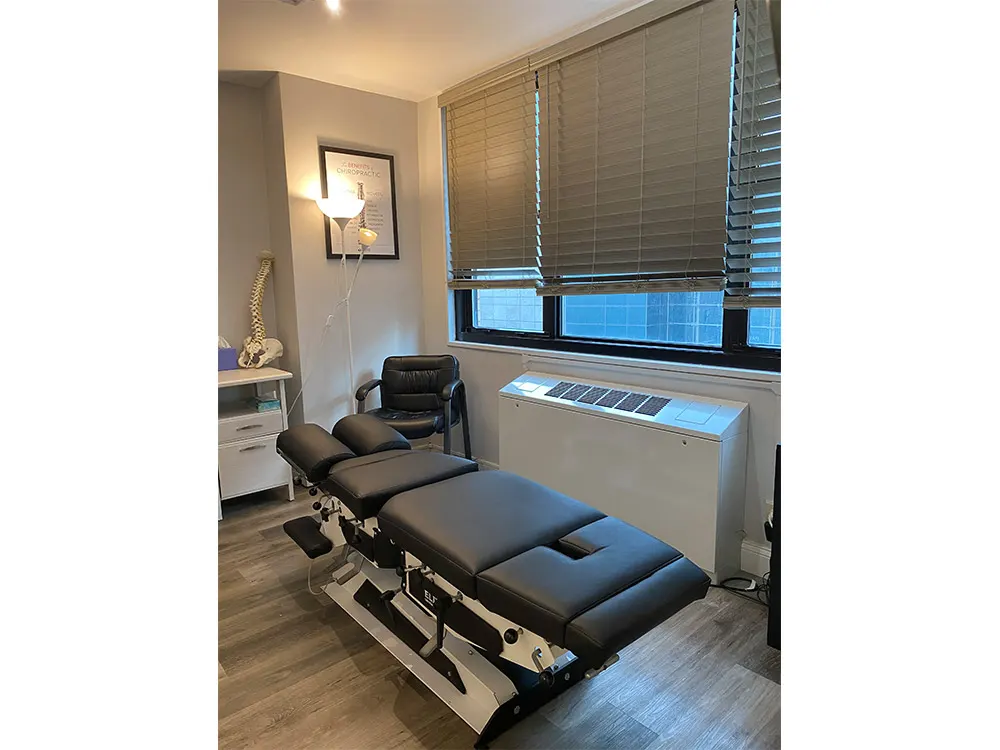
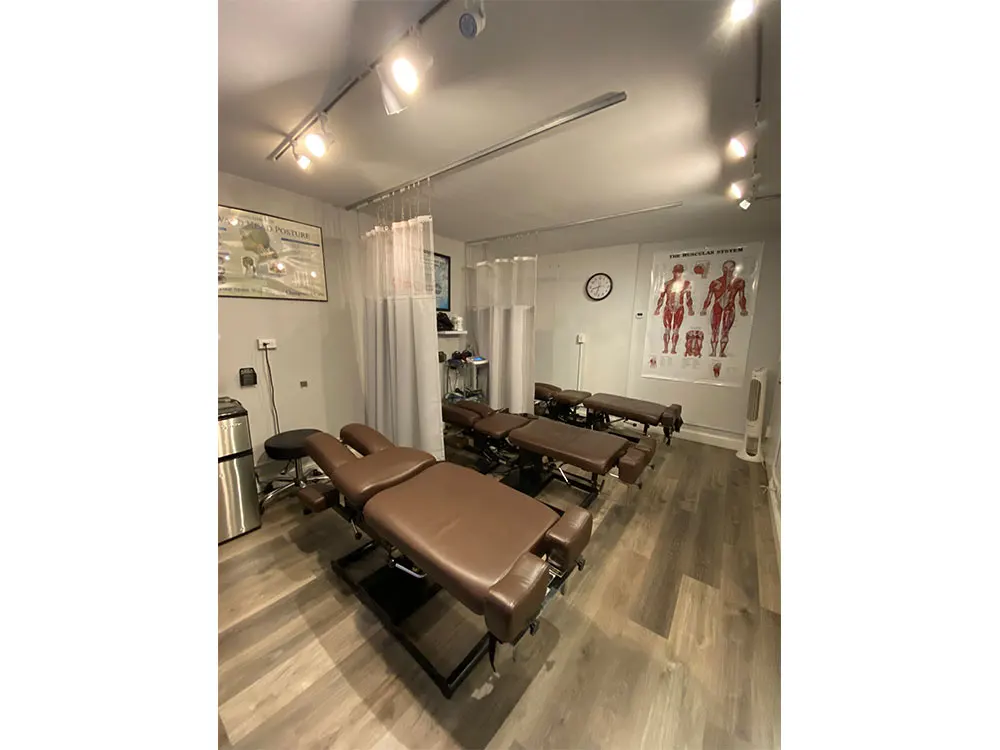
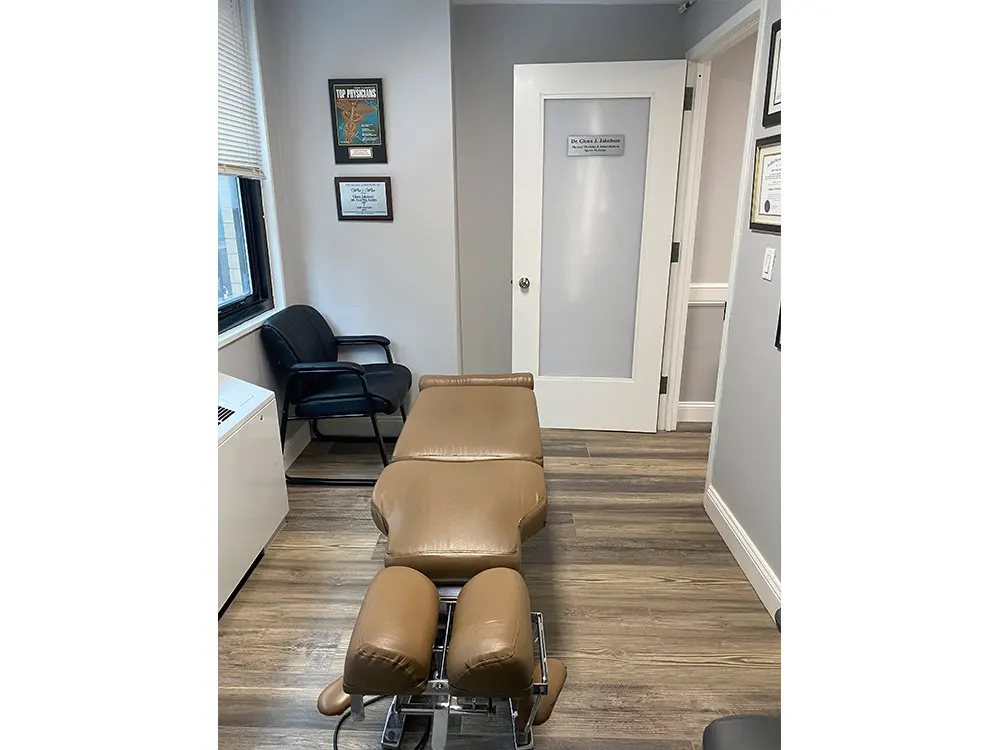
Comprehensive Chiropractic Care at West Side Comprehensive Chiropractic Care
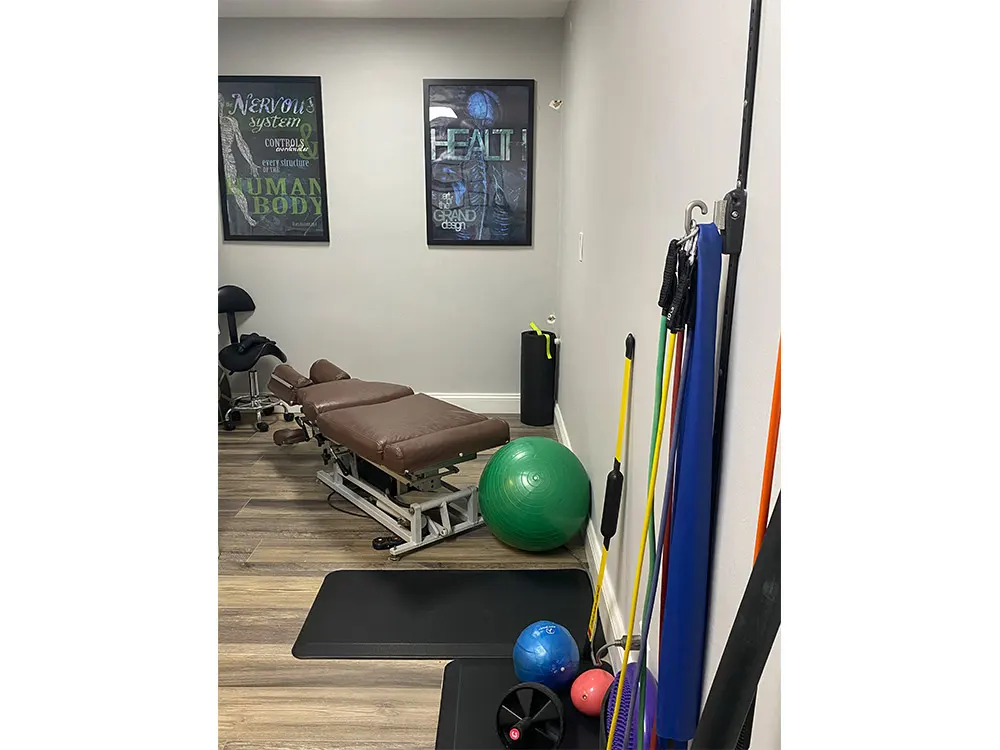
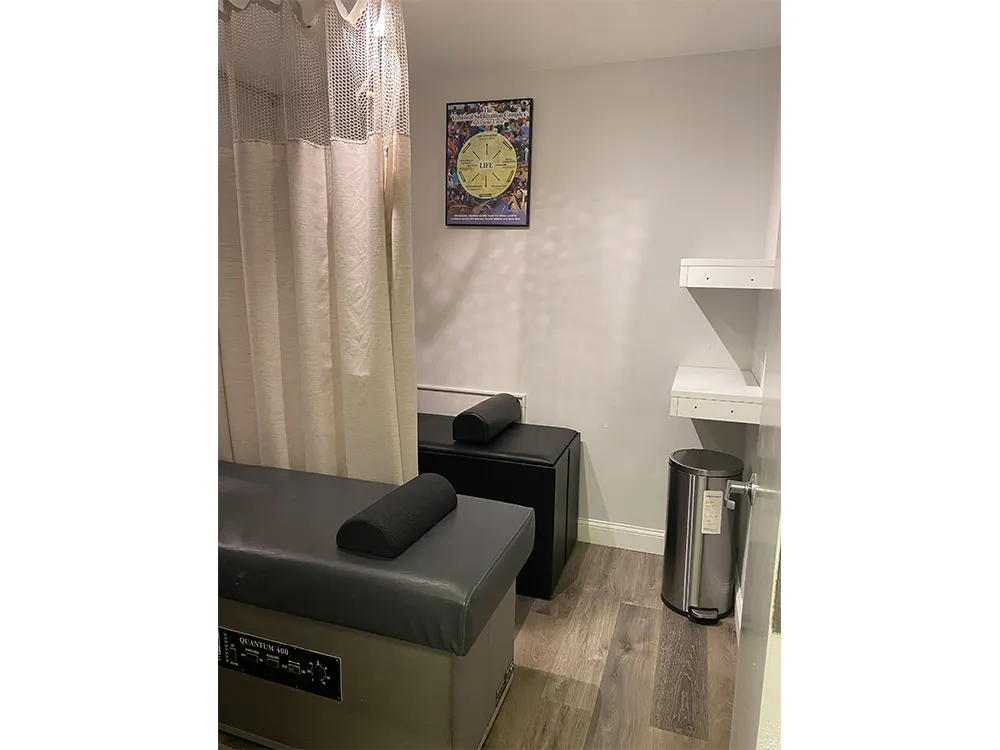
At West Side Comprehensive Chiropractic Care, we focus on individualized care for spinal and musculoskeletal concerns. An evaluation allows our team to better understand your symptoms and develop recommendations based on your specific needs.
If you are dealing with recurring lower back discomfort or symptoms that extend into your leg, contact West Side Comprehensive Chiropractic Care to schedule an evaluation and learn more about your care options.